Featured

Table of Contents
I 'd forget to track whether I 'd made the payment cashback yet. For simplicity, I choose Wells Fargo's single 2%. If you want to track quarterly classification changes and remember to trigger earning rates, rotating category cards can make you significantly more than flat-rate cardssometimes approximately 5% on the classifications that matter to you most.
It makes 5% cashback on rotating categories that change quarterly (groceries, gas, restaurants, travel, and so on), plus 1.5% on other purchases. There's no annual fee and a solid $200 sign-up bonus. The catch: you have to activate the 5% classifications each quarter on Chase's website or app, otherwise you default to the 1.5% base rate.
The mathematics here is compelling if you spend heavily on rotating classifications. If you invest $5,000 in groceries each year, you make $250 on that classification alone (5% of $5,000) versus $75 with a 1.5% flat rate. Add another 5% category like gas, and you're taking a look at a couple hundred dollars each year just from these two classifications.

Is Your 2026 Score Ready to Meet Market Shifts?
If you're forgetful, the flat-rate cards are a safer bet. 5% cashback on rotating quarterly classifications (approximately $1,500 limit) 1.5% cashback on all other purchases No yearly charge $200 sign-up benefit Excellent perk categories (groceries, gas, dining establishments) Need to activate classifications quarterly (or make base 1.5%) 5% cap at $1,500 in quarterly spending ($300/quarter) Requires tracking quarterly calendar updates Foreign transaction cost (2.65% for global) I have actually held the Chase Flexibility Flex for two years.
Discover it is the other significant rotating category card. It offers 5% cashback on rotating classifications (capped at $75/quarter), plus 1% on everything else.
This is an effective reward for new cardholders. If you're changing from another card, that match is genuine money in your pocket. After the first year, you make basic 5% on rotating categories and 1% on everything else. Discover's classifications are a little various from Chase (often including Amazon, Walmart, Target, paypal, and home improvement shops), so the card is terrific if your spending aligns with their quarterly offerings.
5% cashback on rotating categories (topped $75/quarter) 1% cashback on all other purchases First-year cashback match (doubles all made benefits) No yearly charge, no sign-up benefit needed (the match IS the perk) Wide acceptance (accepted at more locations than Amex) 5% cap lower than Chase ($75/quarter vs. $1,500 spending) Must trigger quarterly classifications Cashback match just in first year No foreign transaction charge waiver My very first Discover it year was incredibleI earned $380 in cashback and got the match, amounting to $760 in rewards.
I still use it for particular classifications where I know I'll top out quickly (like streaming services), however it's not a primary card for me any longer. If your household invests $200+ regular monthly on groceries (and who doesn't?), a grocery-focused card can pay for itself numerous times over. These cards use elevated rates particularly on groceries and often gas or pharmacies.
Preparation for Success in the 2026 Budgeting SeasonIs Your Credit Strategy Prepared for Market Shifts?
It earns as much as 6% back on groceries (at US grocery stores only, topped at $6,500/ year in spending, then 1%). You also get 3% back on gas and transit, and 1% on whatever else. There's a $95 annual fee. This card only makes good sense if you spend enough in the reward categories to balance out the $95 charge.
Minus the $95 yearly fee = $295 net cashback. Compare that to Wells Fargo's 2% on the very same $6,500 = $130.
)
Important: the 6% rate just applies to purchases at grocery stores coded as supermarkets by Visa/Mastercard. Costco, warehouse clubs, and Amazon don't count, which irritated me when I discovered it. 6% cashback on groceries (approximately $6,500/ year, then 1%) 3% cashback on gas and transit $95 yearly cost, but frequently balanced out by cashback Strong sign-up bonus ($250$350 depending on promo) Exceptional for families with high grocery investing $95 annual cost (no break-even for low spenders) American Express declined everywhere 6% cap at $6,500/ year ($325 max yearly cashback from groceries) Warehouse clubs (Costco, Sam's Club) don't make 6% Amazon purchases make only 1% I've had the Blue Cash Preferred for three years.
Mastering Monthly Interest Costs through Management Plans
Annual cashback: $390 + $36 = $426, minus the $95 fee = $331 net. This card more than pays for itself, and I'm a big supporter for it. I pair it with Wells Fargo for non-grocery costs, because Amex isn't universal. Heaven Cash Everyday is the no-annual-fee variation of the Blue Cash Preferred.
The 3% rate is half of the Preferred's 6%, so the making potential is lower. For higher spenders, the Preferred's 6% rate pays for the yearly cost and more.
She earns $45/year from it, which isn't life-altering, but it's pure gravy. She sets it with Wells Fargo for non-grocery costs, much like me. Some cards let you pick which classifications you want benefit rates on, adjusting to your spending rather than requiring you into quarterly rotations. These are perfect if you have consistent spending patterns that don't match traditional rotating categories.
Ways to Use Mobile Apps for Financial Wellness
You earn 2% on another classification you choose, and 0.1% on everything else. No annual cost. The personalization here is unique. You're not stuck with Chase's quarterly changesyou pick your categories when and they stay put till you alter them. If you invest heavily on gas and desire 3% back, set it to gas and leave it.

The math is less aggressive than Blue Money Preferred or Chase Flexibility Flex, but the simpleness interest people who wish to "set it and forget it." If your top 2 spending categories occur to be among their options, this card works well. If you're a heavy travel spender searching for 5%, you'll be dissatisfied by the 3% cap.
It provides 1.5% cashback on all purchases with no annual cost, plus a bonus structure: 3% cash back on the very first $20,000 in combined purchases in the very first year (then 1% after). This effectively presses you to about 3% earning if you hit the $20,000 limit in year one. Waitthat doesn't sound right.
After the very first year, it drops to 1.5% permanently, which connects with Wells Fargo. This card is excellent for first-year value, especially if you have actually a planned big expenditure like a vehicle repair or restorations. However, long-term, Wells Fargo and Chase Liberty Unlimited are roughly equivalent, so the option boils down to credit approval and which bank you choose.

Latest Posts
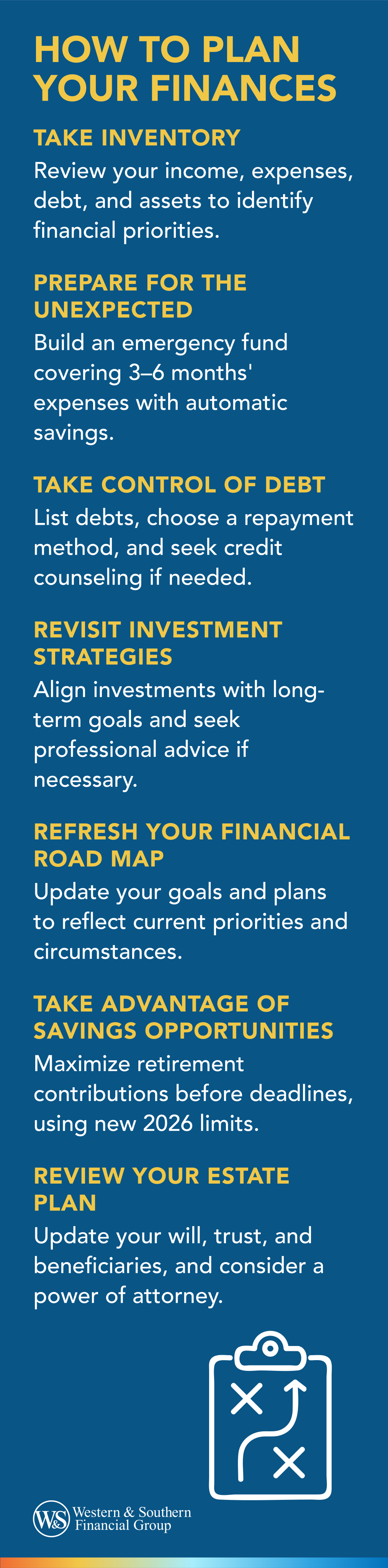
When to Start Budgeting for 2026?

Your Path to Higher Credit Ratings in 2026
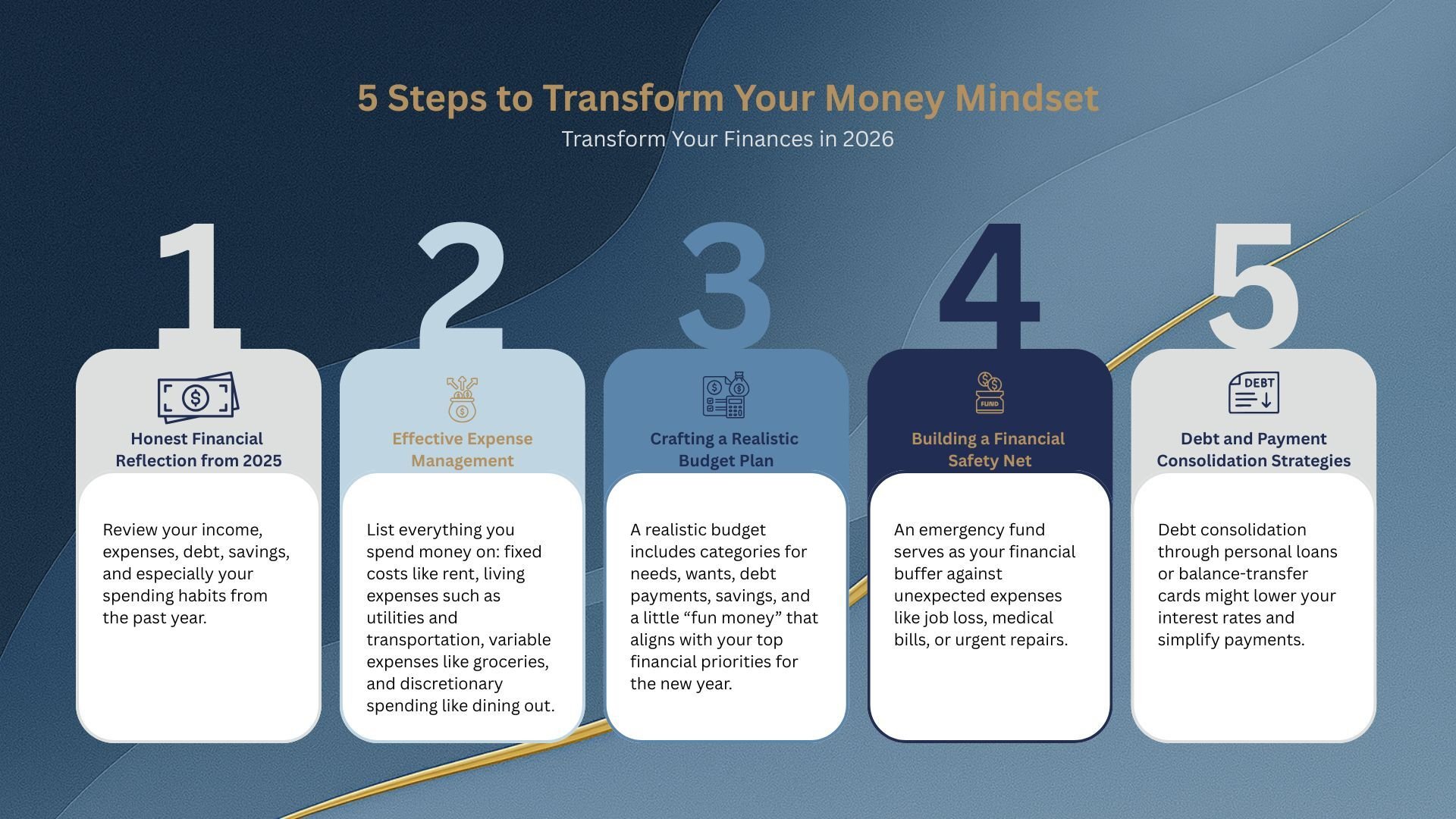
Testing Digital Tools for Optimal Financial Wellness